Comparing Traditional Carving With Advanced 3D Printing
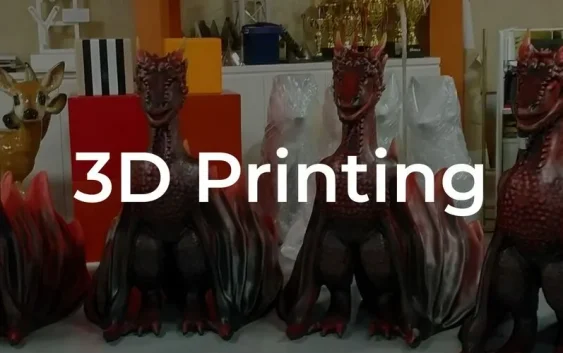
Carving begins with a block, a chisel, and an artist’s steady hand. Digital fabrication starts with a screen, a model, and precise machine movement. Both methods turn ideas into tangible sculpture, but their working processes differ greatly. Traditional carving celebrates physical skill and material character, while 3d printing Jeddah offers digital control, repeatable results, intricate forms, and flexible production options today.
Material and physical technique
Traditional carving works with stone, wood, plaster, or other solid materials. The sculptor removes material gradually and responds to grain, hardness, cracks, and natural markings. Every cut requires judgment and control. 3D printing follows a different process. The artist builds a digital model, prepares the file, and sends instructions to a printer that forms the object layer by layer.
Precision and detail
Hand carving gives artists control over visible marks and subtle surface character. Small details rely on skill, patience, and suitable tools. Advanced printing offers impressive dimensional accuracy and handles repeated patterns, internal structures, sharp contours, and complex geometry. Digital editing also lets artists adjust measurements before physical production starts.
Creative freedom
Carving encourages spontaneous decisions during sculpting. An unexpected texture or material feature may influence the final design. 3D printing supports digital experimentation. Artists can test variations, alter proportions, combine complex sections, and produce unusual forms without cutting into a new block each time. This flexibility suits experimental sculpture and contemporary installations.
Production speed and repetition
Large carved sculptures may require extensive labor, especially when material presents difficult cuts or intricate details. Printing shortens physical production stages after the digital model reaches its final form. Repeated pieces remain consistent because the same digital file guides each print. This feature suits exhibitions, architectural features, prototypes, and artistic editions.
Surface character and finishing
Traditional carving displays tool marks, grain, chips, and subtle irregularities that give handmade pieces distinctive character. Printed models usually show visible layer lines after production. Sanding, filling, priming, painting, polishing, and coating refine those surfaces. Artists select finishing techniques according to material, display setting, and desired visual effect.
Traditional carving remains valuable when tactile craftsmanship, natural material character, and one of a kind expression sit at the center of a project. Advanced 3D printing suits detailed geometry, repeatable designs, digital experimentation, and efficient fabrication.